Industries · Government
AI for the volume, with a person accountable
Agencies and councils handle large volumes of forms and correspondence under strict rules. We put AI to work on sorting, checking and first drafts, and keep an officer accountable for every decision.
Where AI helps
Four jobs in an agency that AI does well
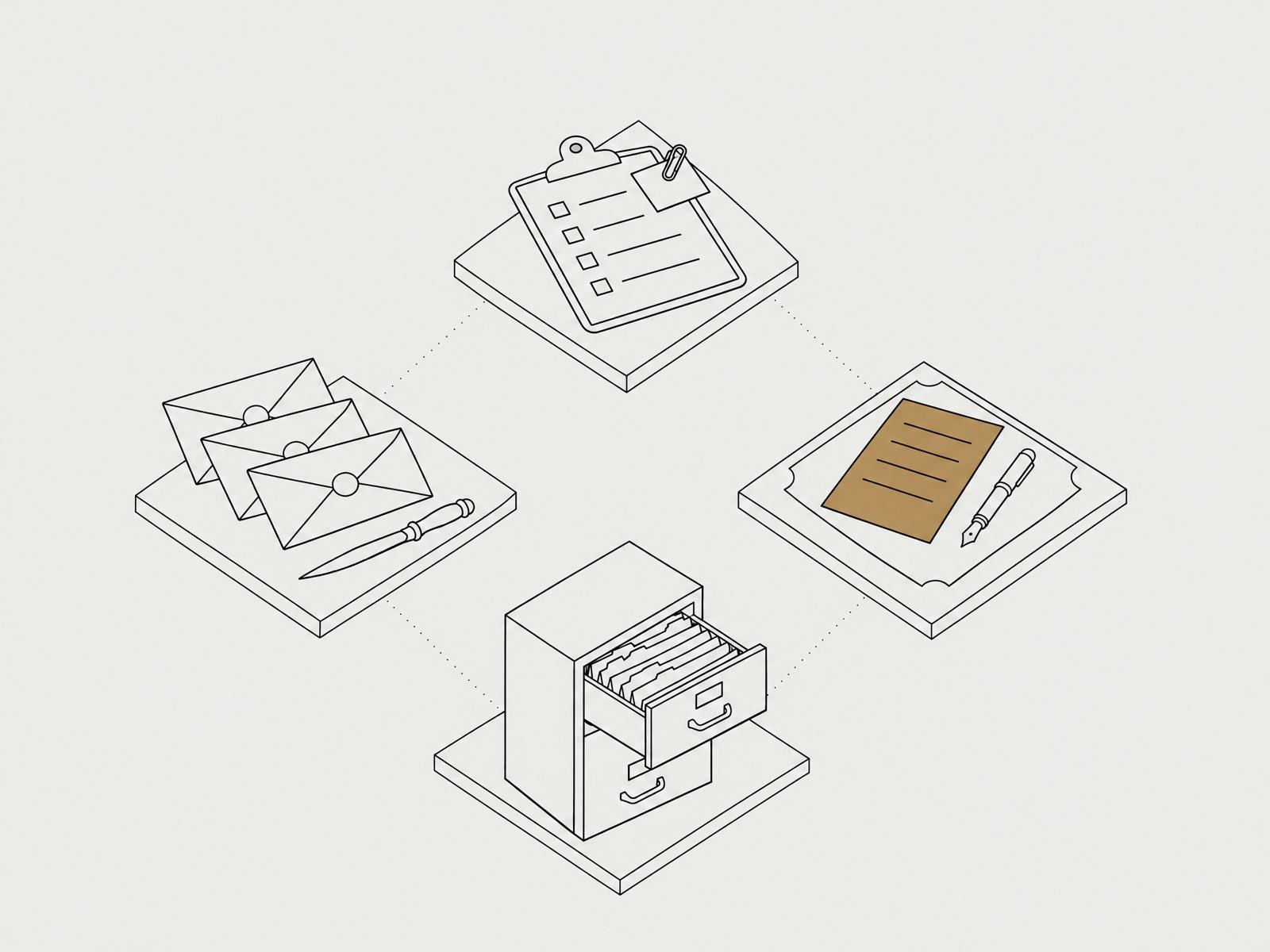
- 01
Correspondence
Incoming letters and emails are read, sorted by subject and sent to the team that handles them, with anything urgent marked.
- 02
Routine replies
A first draft is written from your published policy and past replies, with its sources shown. An officer checks it, changes it and sends it.
- 03
Forms and applications
An application is checked for what is missing before it reaches an officer, and the applicant is asked for it once.
- 04
Finding the record
Staff ask a question in plain words and get the policy, the earlier decision or the file note, with a link to where it came from.
Before you start
AI needs your policies written down and current
It works when
- Correspondence arrives in one place, whatever its channel
- The policy an officer relies on is the published one
- Each kind of decision has a named role that makes it
- You know which records must be kept, and for how long
Fix these first
- Guidance that lives in old emails
- Shared mailboxes nobody owns
- Templates that differ from team to team
What stays with a person
AI prepares the file. An officer decides
A decision about a member of the public has to be made by someone with the authority to make it, who can give reasons for it. We set AI up to prepare the work, and it decides nothing about anyone.
Decisions we leave with you
- Decisions about a person
- Whether someone is eligible, owes money or is refused is decided by an officer. AI does not make, recommend or score that decision.
- Reasons
- The officer who decides writes the reasons. AI can gather the facts and the policy they rely on.
- Personal information
- AI reads only what the task needs, under the same access rules as the officer it works for. What it read is recorded.
- What is said in the agency’s name
- Nothing is sent or published until an officer has read it.
The platforms we bring
Two products we offer in Australia
Black Sails offers Route Royal in Australia, and represents Q. Where your data is held, who can see it and how long it is kept are agreed in writing before any work starts.

Requests, replies and tasks in one place
Route Royal calls itself the AI Business Operating System. For a council or an agency team it keeps each request, the conversation about it and the work it leads to together.
- One inbox for email, SMS and WhatsApp
- A help desk with a ticket for each request
- Projects and tasks with an owner for each
- One record for each person and organisation
With AI
Q works inside it: it searches your records, drafts replies and sorts requests, and does the work you ask once you confirm.

The AI that does the work
Q is built by Q Division to do work inside the systems an organisation already uses, with a person in charge of anything that matters.
- Searches your own records
- Shows its sources with each answer
- Asks a named person before it acts
- Keeps a record of every step
With AI
An approval that is required never becomes automatic, and each step is written down in order.
How it runs
From one job to the next
- 01
Look
We follow a letter, an application and a request for information through your team and time each one.
- 02
Agree
We settle the rules in writing: what AI may read, what it may draft, where data is held and who signs off.
- 03
Prove
One job, such as sorting correspondence, runs on real work with an officer confirming each result.
- 04
Extend
When your officers trust it, you choose what it may route without asking, and we move to the next job.
Next step
Tell us about one process that costs your people time. We’ll tell you whether we can help.
What happens next
- 01
You tell us about one process
A few lines is enough: what the work is, who does it and how often.
- 02
We ask some questions
A short call to understand how it runs today.
- 03
You get a straight answer
Whether we can help, what we would build and what it would cost.
Pyrmont NSW 2009
+61 401 472 649